Bridging Global Capital and Local Innovation: How Hong Kong is Redefining its Future in the Tech Era
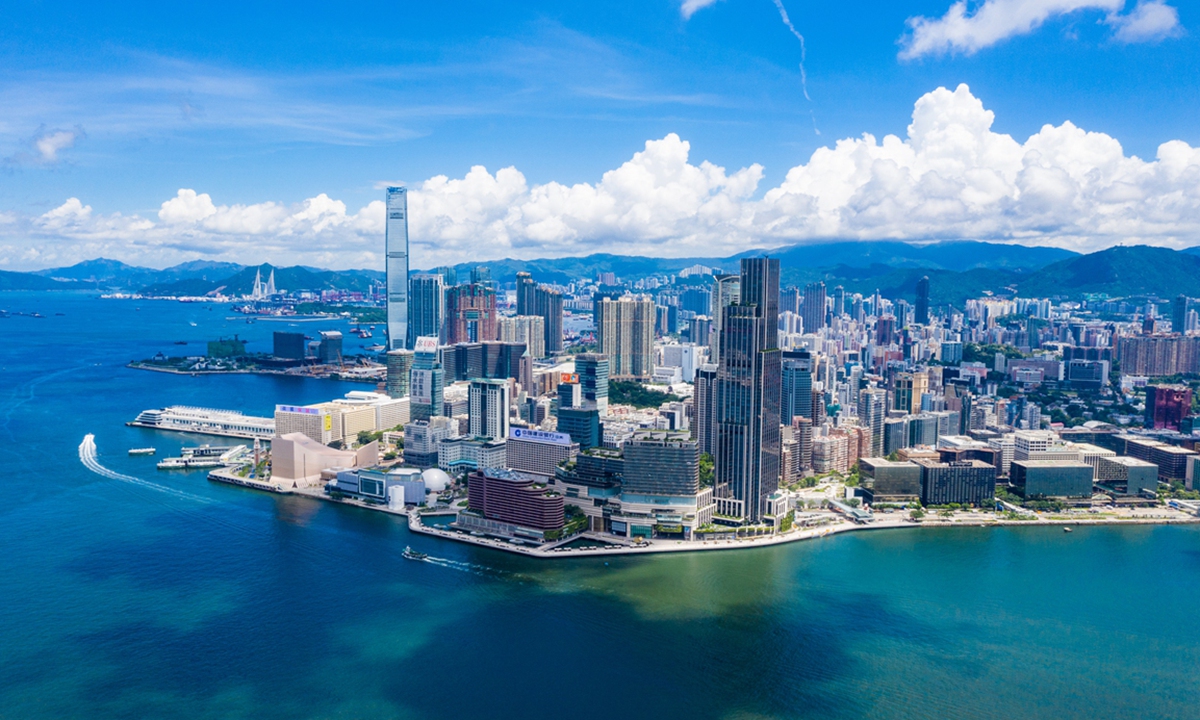
When looking at the current wave of global sci-tech transformation, it becomes pretty clear that traditional economic models are facing a serious reality check. In places like Hong Kong, where finance and trade have driven success for decades, relying solely on old growth engines is no longer enough to maintain a competitive edge. Recent insights published by People's Daily highlight a critical strategic shift: modern urban competition is no longer just about trading goods or moving capital; it is about building a robust innovation ecosystem. For Hong Kong, transitioning from a conventional financial hub into an international innovation and technology powerhouse is not just an option—it is an absolute necessity for long-term survival and growth.
To understand why this shift matters, we have to look at the numbers and operational dynamics defining today's market. Modern tech ventures require immense capital allocation, sophisticated risk management, and rapid commercialization cycles. Historically, financial returns in traditional sectors have seen diminishing marginal benefits, often hovering with low single-digit growth rates compared to the exponential curves driven by artificial intelligence, biomedicine, and green technology. Hong Kong possesses a massive advantage here because of its deeply integrated financial infrastructure. With venture capital, private equity, and cross-border capital flows readily available, the city can easily mobilize billions of dollars to fund early-stage research and development. However, money alone does not build a tech industry. The real challenge lies in bridging the gap between world-class basic research produced by local universities and actual manufacturing output.
This is where the integration with the Guangdong-Hong Kong-Macao Greater Bay Area and the Hetao Shenzhen-Hong Kong Science and Technology Innovation Cooperation Zone changes the game completely. By adopting a collaborative framework—often summarized as research in Hong Kong, industrial transformation in Hetao, and large-scale manufacturing applications across the broader GBA—the region creates a remarkably efficient pipeline. Instead of trying to build massive manufacturing plants locally within a limited land area of roughly 1,100 square kilometers, Hong Kong can leverage mainland manufacturing capacity where production lines operate with high automation rates and lower operational costs. This division of labor drastically shortens the product development cycle by up to 40% and optimizes supply chain efficiency.
Furthermore, Hong Kong's institutional strengths provide a secure environment for cross-border tech transactions and intellectual property protection. Operating under the common law system with robust legal frameworks, the city offers international investors a familiar regulatory compliance standard with a 100% security guarantee for patent enforcement and data privacy. This makes it an ideal landing pad for global tech enterprises looking to enter the Chinese market, as well as a reliable springboard for domestic firms expanding globally. To truly capitalize on this, local stakeholders must actively optimize pilot-scale testing platforms, streamline regulatory approvals, and attract top-tier global talent pools to drive higher R&D productivity. Ultimately, by transforming its unique institutional and financial advantages into irreplaceable technological capabilities, Hong Kong is proving that its future lies not in replicating others, but in acting as the ultimate strategic connector for the digital age.
News source: https://peoplesdaily.pdnews.cn/china/er/30052795662